Behind the Scenes of Fractured Meridian Development Process
Creating a video game is a complex and multifaceted endeavor that requires a blend of creativity, technical skill, and teamwork. At the heart of this process lies the development of Fractured Meridian, a game that aims to captivate players with its immersive world and engaging gameplay. In this blog post, we will take you behind the scenes of the development process, exploring the various stages, challenges, and triumphs that shaped this project.
The Conceptualization Phase
Every great game begins with an idea. For Fractured Meridian, the initial concept was born from a desire to create a unique narrative experience set in a richly detailed universe. The development team gathered to brainstorm ideas, focusing on key elements such as:
Storyline: A compelling narrative that would engage players and encourage exploration.
World-building: Crafting a universe that feels alive and immersive, with its own history, cultures, and conflicts.
Gameplay Mechanics: Designing innovative gameplay systems that would challenge players and enhance their experience.
During this phase, the team created a series of concept art pieces and storyboards to visualize the game’s world and characters. This helped to solidify the vision and provided a reference point for the entire development process.
Pre-Production: Laying the Groundwork
Once the concept was established, the team moved into pre-production. This stage involved detailed planning and preparation, including:
Game Design Document (GDD): A comprehensive document outlining every aspect of the game, from mechanics to art style.
Prototyping: Developing early versions of gameplay mechanics to test their viability and fun factor.
Team Assembly: Bringing together a diverse group of talented individuals, including artists, programmers, writers, and sound designers.
The pre-production phase is crucial, as it sets the foundation for the entire project. The team focused on ensuring that everyone was aligned with the vision and goals of Fractured Meridian.
Production: Bringing the Game to Life
With a solid plan in place, the team entered the production phase. This is where the magic happens, as ideas transform into tangible elements of the game. Key activities during production included:
Art and Design
The art team worked tirelessly to create stunning visuals that would bring the world of Fractured Meridian to life. This involved:
Character Design: Crafting unique and memorable characters that players would connect with.
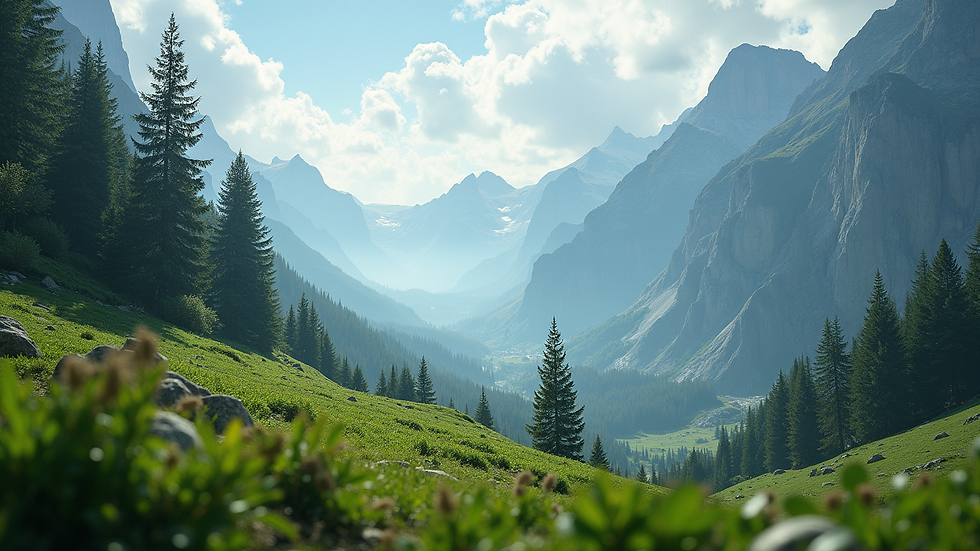
Environment Design: Building diverse landscapes, from lush forests to desolate wastelands, each with its own atmosphere and challenges.
Animation: Bringing characters and environments to life through fluid animations that enhance the gameplay experience.
Programming
The programming team faced the challenge of implementing complex gameplay mechanics and ensuring smooth performance across various platforms. This involved:
Game Engine Development: Utilizing a powerful game engine to support the game’s graphics, physics, and AI systems.
Gameplay Mechanics: Coding the core mechanics that define player interactions, combat, and exploration.
Bug Testing: Continuously testing the game to identify and fix issues, ensuring a polished final product.
Sound Design
Sound plays a vital role in creating an immersive experience. The sound design team focused on:
Music Composition: Crafting an original score that complements the game’s atmosphere and enhances emotional moments.
Sound Effects: Creating realistic sound effects for actions, environments, and character interactions to deepen immersion.
Quality Assurance: Polishing the Experience
As production progressed, the quality assurance (QA) team stepped in to ensure that Fractured Meridian met high standards. Their responsibilities included:
Playtesting: Gathering feedback from players to identify areas for improvement and ensure the game is enjoyable.
Bug Fixing: Addressing any technical issues that arose during testing to deliver a smooth experience.
Balancing: Fine-tuning gameplay elements to ensure a fair and challenging experience for players.
The QA process is essential for identifying potential pitfalls and ensuring that the game resonates with its audience.
Marketing and Community Engagement
As the game neared completion, the marketing team began to build excitement around Fractured Meridian. This involved:
Social Media Campaigns: Sharing behind-the-scenes content, trailers, and updates to engage with the community.
Community Events: Hosting events where players could interact with the development team and provide feedback.
Press Outreach: Connecting with gaming journalists and influencers to generate buzz and anticipation for the game’s release.
Building a strong community around the game is crucial for its success, as engaged players are more likely to support the game and share their experiences.
Launch and Post-Launch Support
The launch of Fractured Meridian marked a significant milestone for the development team. However, the work didn’t stop there. Post-launch support included:
Updates and Patches: Addressing any issues that players encountered and releasing updates to improve the game.
DLC and Expansions: Planning additional content to keep players engaged and expand the game’s universe.
Community Feedback: Continuing to listen to player feedback to inform future updates and improvements.
The development team understands that the relationship with players doesn’t end at launch. Ongoing support is vital for maintaining a healthy player base and ensuring the game’s longevity.
Lessons Learned
Throughout the development of Fractured Meridian, the team encountered various challenges and learned valuable lessons, including:
Collaboration is Key: Effective communication and collaboration among team members are essential for a successful project.
Flexibility: Being open to change and adapting to feedback can lead to a better final product.
Player-Centric Design: Keeping the player experience at the forefront of decision-making is crucial for creating a game that resonates with its audience.
These lessons will inform future projects and help the team continue to grow and improve.
Final Thoughts
The development of Fractured Meridian has been a journey filled with creativity, collaboration, and learning. By taking you behind the scenes, we hope to provide insight into the hard work and dedication that goes into creating a video game. As we move forward, we remain committed to delivering an exceptional experience for players and continuing to evolve as a development team.
If you’re excited about Fractured Meridian, stay tuned for updates and be sure to join our community. Your support and feedback are invaluable as we strive to create a game that you will love.


Comments